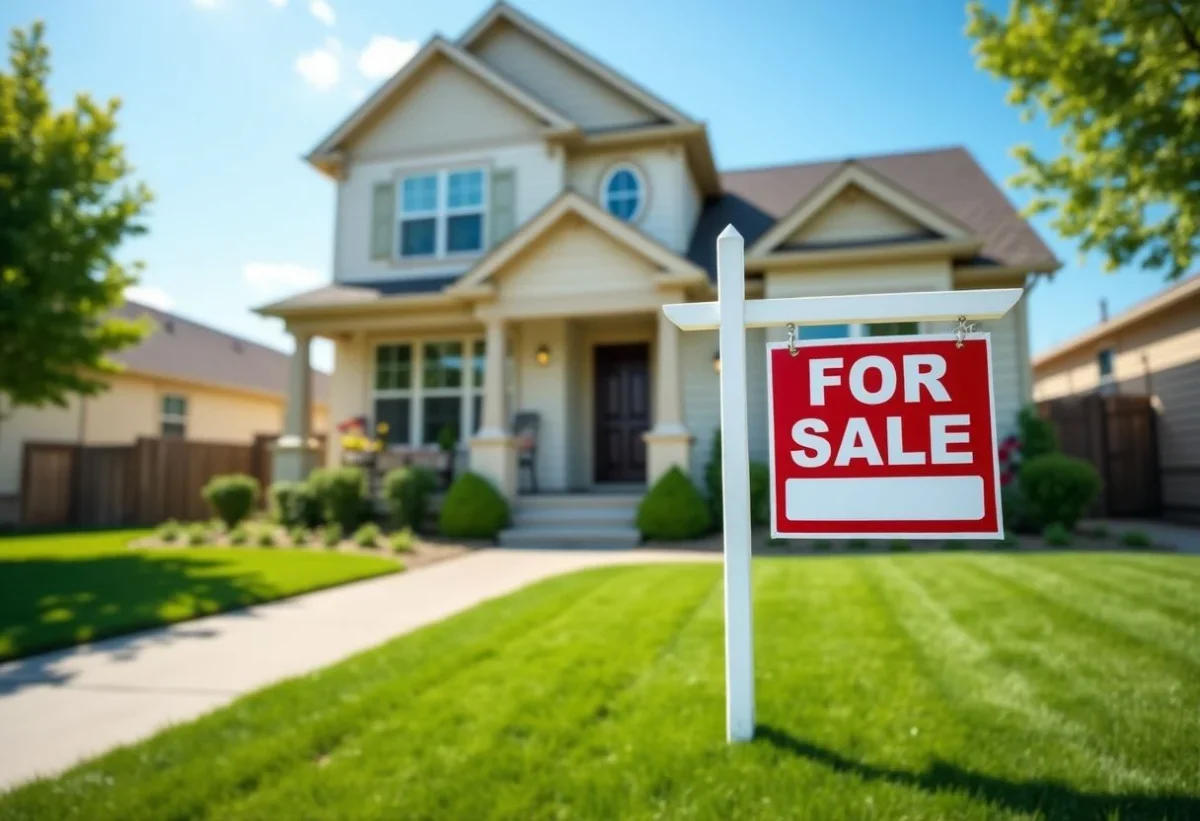
In the complex world of real estate, the question of property valuation is often a crucial challenge for owners, buyers, and real estate agents. Accurately determining the value of a property goes beyond a simple numerical estimate; it requires a deep understanding of the multiple influencing factors. Location, market conditions, size, specific property features, and recent sector developments are all criteria to consider. This process requires a rigorous method, appropriate tools, and sometimes the intervention of seasoned professionals.
Essential parameters for valuing a property
Real estate valuation relies on a series of parameters that should be analyzed meticulously to obtain the most accurate estimate possible. These criteria provide an essential analytical framework for anyone looking to master the art of estimation.
The location of the property is undoubtedly the most determining factor. A prestigious address in a dynamic metropolis will generally have a significantly higher value than a house located in a rural area. Surrounding infrastructure such as schools, public transport, shops, and green spaces significantly influence the value.
The general condition of the property is another fundamental aspect. A well-maintained house, with modern facilities and quality materials, will sell for a higher price. Recent renovations, thermal insulation, and energy efficiency are also elements that contribute to increasing value.
Finally, market trends in the real estate sector at both local and national levels should not be overlooked. Variations in interest rates, the demand and supply of housing, and economic policies can impact the price of a property, sometimes dramatically.
Valuation tools and techniques
There are several methods for valuing real estate. Each has its specifics and advantages, and the choice of one or the other often depends on the goals and resources of the evaluator.
- Market comparison is one of the most common methods. It involves analyzing recent sales of similar properties in the same geographic area. This procedure provides a concrete and updated reference base.
- Potential rental income is a valuation technique often used for investment properties. It relies on the property’s ability to generate rental income and calculates a value based on the expected yield.
- Cost approach examines the costs necessary to reproduce the property in question, taking into account accumulated depreciation. This method is particularly relevant for new constructions.
Consulting real estate valuation specialists
To ensure an accurate and professional valuation, seeking the services of a real estate expert can be a wise decision. These professionals possess the necessary skills to provide a comprehensive and rigorous analysis.
Real estate agents often play a key role in this process. With their in-depth knowledge of the local market and their network of contacts, they can offer valuable insights and a realistic estimate of a property’s value. Agents often use specialized tools and databases to refine their evaluations.
Valuation experts, certified and independent, are another valuable resource. Their technical expertise and rigorous training enable them to conduct objective and detailed evaluations. They provide official appraisal reports that can be used for legal or financial purposes.
Common mistakes to avoid when estimating a property
Valuing a property may seem simple at first glance, but certain frequent mistakes can lead to incorrect estimates and harm the real estate transaction.
Do not base your estimate solely on the initial purchase price. The market is constantly evolving, and the value of a property can fluctuate independently of the acquisition cost. It is essential to rely on recent and relevant data.
Do not underestimate the importance of a physical inspection of the property. A thorough visit allows for the detection of elements that may not be apparent in documents or photographs. Structural issues or hidden defects can significantly impact the final value.
It is equally crucial not to underestimate the influence of global economic trends. Changes in the economy can have repercussions on real estate, whether related to interest rates, government policies, or fluctuations in the financial market.
For more details on techniques to estimate a property, it is advisable to consult specialized sources.