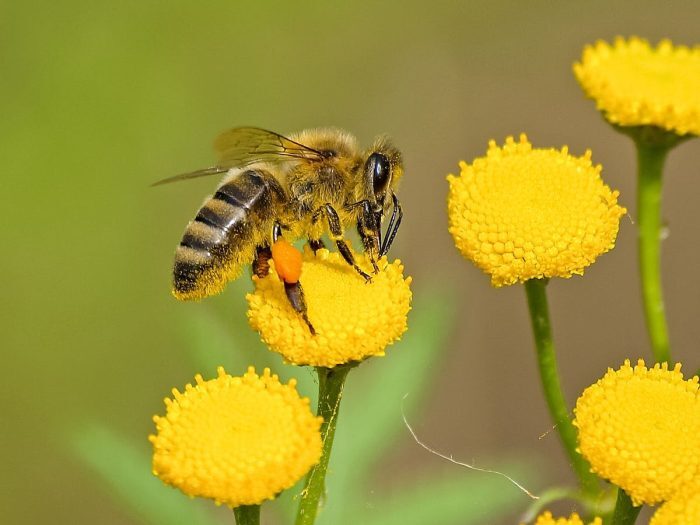
The alarming decline of the bee population worldwide is increasingly concerning scientists, farmers, and ecologists. These tiny insects, essential drivers of our biodiversity, are indeed threatened, and their disappearance could have disastrous consequences for our environment and our food supply. The causes of this decline are multiple: pesticides, parasites, diseases, climate change… In the face of this crisis, urgent action is needed. This significant challenge requires the development of innovative and sustainable solutions to safeguard bees. We will explore the various strategies considered to preserve these precious pollinators.
Bees: a vital link in the global ecosystem
The importance of bees in the global ecosystem is undeniable. They play a crucial role in pollination, thus enabling the reproduction of many plants and crops. Indeed, nearly 80% of plant species depend directly or indirectly on insects for their reproduction. Without these precious insects, our food supply would be greatly compromised.
Bees face many challenges that threaten their survival. The pesticides used in modern agriculture are particularly harmful to them. These chemicals disrupt the nervous system of bees and weaken their immune system, making them more vulnerable to diseases and parasites.
Climate change also poses a significant threat to bees. Sudden temperature variations alter the natural cycles of nectar and pollen, thereby disrupting the synchronization between flowers and pollinators.
In light of these pressing issues, it is essential to adopt concrete measures to preserve our bees.
But how to save a bee? A comprehensive approach is necessary: reduce the intensive use of pesticides by promoting sustainable agricultural practices; encourage floral diversity by sowing flowering meadows; create more habitats conducive to their development such as bee gardens or even establish urban beehives.
Individual initiatives are not enough: collective mobilization is needed to influence public policies in favor of bee conservation. Many countries have indeed become aware of the urgency of the situation and have implemented measures to protect these essential pollinators.
It is also crucial to educate and raise public awareness about the importance of bees in our ecosystem, as well as the simple actions that everyone can take to help them.
Preserving our precious pollinators requires a comprehensive approach while encouraging individual initiatives. By acting now, we can hope for a future where bees continue to play their vital role in our ecosystem.
Threats to bees: an imminent danger
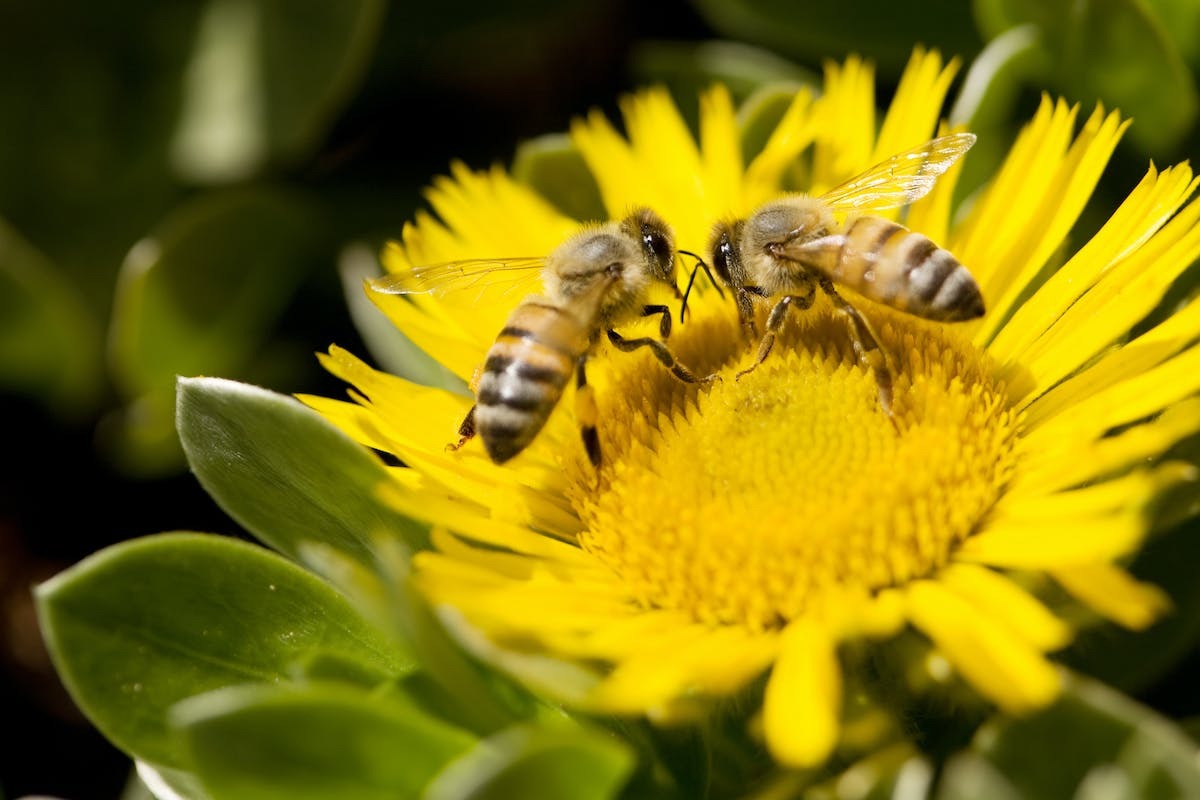
Bees, these precious pollinators, face a set of threats that weigh on their survival and jeopardize the balance of our ecosystem. Among these threats are the pesticides used massively in modern agriculture. These toxic chemicals affect the nervous system of bees, weaken their immune system, and make them more vulnerable to diseases and parasites.
Climate change also constitutes a major threat to bees. Sudden temperature fluctuations disrupt the natural cycles of nectar and pollen, which desynchronize the flowering of crops with the presence of pollinator insects. This situation has a direct impact on their food availability.
The alarming decrease in available floral resources significantly harms the survival of bees. Intensive monoculture leads to a drastic reduction in plant diversity, depriving these insects of adequate food throughout the year.
Parasites such as Varroa destructor also pose a serious threat to domestic bee colonies. This parasite feeds on the blood of adult bees and larvae, thus weakening the entire colony until its total destruction if no measures are taken quickly.
In the face of this critical situation, it is necessary to act quickly to preserve our precious pollinators. Concrete solutions exist to reverse this harmful trend.
It is crucial to reduce the use of toxic pesticides in favor of alternative and sustainable methods. This agricultural transition requires collective awareness as well as strict regulations to encourage farmers to adopt environmentally friendly practices.
At the same time, it is essential to restore floral diversity in our agricultural and urban landscapes. Sowing flowering meadows and planting bee-friendly trees will not only provide a suitable habitat for bees but also improve overall biodiversity.
Supporting local beekeepers by purchasing their honey also helps preserve these indispensable insects. Urban beehives can be established to promote the development of colonies while raising public awareness about the crucial importance of bees.
A collective mobilization is necessary to influence public policies and promote the conservation of bees.
Disappearance of bees: devastating consequences for agriculture and biodiversity
The disappearance of bees has a major impact on agriculture and biodiversity. Indeed, these insects are responsible for the pollination of many crops, making them indispensable to our food system. Crops dependent on bees, such as fruits, vegetables, and oilseeds, would be particularly affected by their absence.
Without bees to ensure the cross-pollination of flowers, global agricultural production would be significantly reduced. According to some estimates, nearly 75% of crops intended for human consumption depend directly or indirectly on this animal pollination. Therefore, a drastic decrease in the number of bees could lead to a significant drop in agricultural yields and jeopardize our food security.
The gradual disappearance of bees will also have a detrimental impact on overall biodiversity. As the main pollinators in our natural and agricultural ecosystems, their role is essential in maintaining plant diversity.
Plants that will no longer be fertilized by bees risk gradually disappearing in favor of other species that are less ecologically interesting. This biological homogenization can have disastrous consequences on the fragile balance between different plant and animal species, disrupting the natural process of sexual reproduction in certain plant species, thus decreasing the genetic variability of populations and reducing their ability to adapt to environmental changes.
The disappearance of bees would also have a significant economic impact. Many industries depend directly or indirectly on the pollination carried out by these insects, including the honey industry, as well as that of fruits and vegetables.
It is crucial to act quickly to preserve bees and reverse this alarming trend that threatens our agriculture and biodiversity. The transition to more environmentally friendly agriculture must be encouraged, as well as support for local beekeepers. It is time to adopt sustainable practices to ensure the survival of these precious pollinators and thus guarantee a promising future for our planet.
Protecting bees: solutions within our reach
In the face of the imminent threat to bees, various actors are mobilizing to find innovative solutions. Among these initiatives, the adoption of environmentally friendly agricultural practices is at the heart of the discussions.
A first solution is to encourage the development of organic farming. By avoiding the use of insecticides and chemical pesticides, this approach helps preserve the health of bees by limiting their exposure to toxic products. Organic farmers also promote the planting of bee-friendly plant species, thus providing a rich and varied food source for pollinators.
The promotion of biodiversity on farms is another promising solution. By creating refuge areas where bees can feed safely, we encourage their presence and reproduction.
Bee conservation: governmental and individual actions
Government authorities are not indifferent to this problem and are implementing bee protection policies. Subsidy programs are granted to farmers to encourage them to adopt environmentally friendly practices. At the same time, stricter regulations are being established to limit the use of harmful pesticides for bees.
At the individual level, many people are also committed to bee conservation. Beekeepers play an essential role in maintaining their bee colonies and thus contributing to their reproduction. Some individuals even create their own gardens specifically designed to attract pollinators, with a variety of bee-friendly flowers.
Meanwhile, several associations are actively mobilizing to raise public awareness and promote bee conservation. They organize educational events such as conferences on the vital importance of the role these insects play as indispensable pollinators in our ecosystem.
The private sector is also getting involved. Collaboration between businesses and environmental organizations enables the development of innovative projects aimed at protecting wild bee populations and improving the environment for their survival. Advanced technology has been developed, consisting of creating insect hotels to provide suitable habitats in urban areas. Other similar initiatives are emerging to promote the installation of hives in urban settings and thus contribute to the survival of bees in confined but suitable spaces.
In the face of the threat to bees and their crucial impact on our ecosystem, it is imperative to act quickly. Governmental and individual initiatives in favor of their conservation offer hope for preserving these precious pollinators. It is now time to continue promoting these actions and encouraging their adoption to ensure a flourishing future for our indispensable flying friends in our environment.
Bee preservation: what future for pollination
The future prospects for bee preservation and pollination are promising. Numerous scientific research efforts are underway to better understand the causes of the decline in bee populations and to develop sustainable solutions.
Technology plays a key role in these advancements. Smart sensors are used to monitor the health of bee colonies, allowing for the rapid detection of issues such as diseases or environmental stress. This valuable data contributes to better management of beehives and informed decision-making.
Research is focused on developing new alternative methods to chemical pesticides to protect crops while preserving bee health. Natural substances such as plant extracts or essential oils are proving effective in this fight against pests, without harming beneficial insects like our winged foragers.
Advances in education and awareness-raising should not be overlooked either. It is crucial to inform the general public about the vital role played by bees in our food supply and our overall ecosystem. Media campaigns aimed at disseminating this knowledge can foster genuine civic engagement, encouraging everyone to participate in their protection by adopting a lifestyle that respects their environment in general.
International cooperation is essential to address this global challenge. Agreements and initiatives are being established to promote the exchange of best practices between countries, encourage collaborative research, and coordinate actions taken on a global scale.
New economic opportunities related to bee preservation are also emerging. Beekeeping can be a sustainable source of income for local communities through the production of honey and other hive-derived products. Businesses can also contribute by financially supporting environmental projects focused on bee protection.
Although the alarming decline of bee populations is a major issue with potentially disastrous consequences, there is fortunately a growing momentum to preserve these precious pollinators. Thanks to the joint efforts of government, the private sector, and civil society, as well as technological and scientific advancements, and the strengthening of our collective awareness of their fundamental importance in our global ecosystem, we can hope to reverse this harmful trend to ensure a prosperous future for both our winged foraging friends and our entire planet.