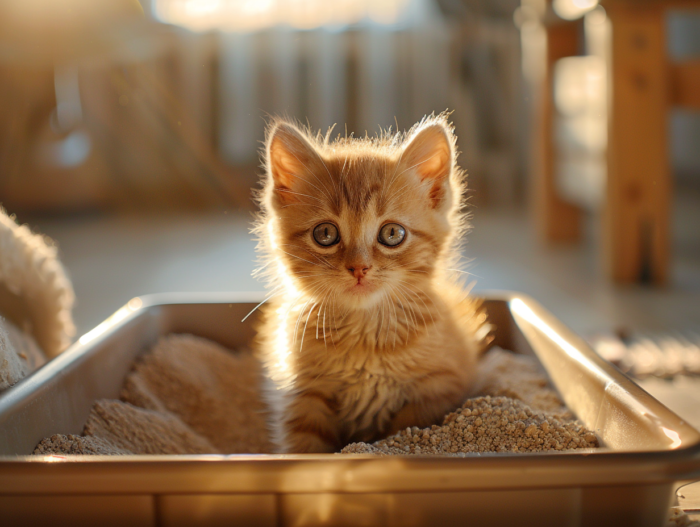
Young felines, with their natural curiosity and boundless energy, can sometimes struggle to adopt appropriate cleanliness behavior. Kitten owners, breeders, or caregivers often face the need to correct these undesirable behaviors. This involves understanding the specific instincts and needs of these little carnivores. Communication, early education, and a suitable environment play major roles in managing cleanliness. Gentle and consistent methods are essential to help young cats learn where and when they should relieve themselves.
Understanding and Addressing Cleanliness Issues in Young Felines
Cleanliness problems in young felines often stem from a lack of understanding of the natural behaviors inherent to the species. The cat, a meticulous animal by nature, buries its waste to escape predators, a skill often passed down by the mother during the kittens’ learning phase. However, distressed owners report: ‘my kitten is peeing everywhere even though he was clean’. This situation can be a symptom of behavioral issues or health problems, requiring special attention.
The cleanliness of kittens is a matter of education and well-being. A kitten learns cleanliness from its mother, but if it is orphaned or separated too early, it may lack this essential model. Urine marking, often mistakenly perceived as a sign of uncleanliness, is actually a natural territorial marking behavior. Neutering can significantly reduce this behavior. Therefore, it is imperative to consider all environmental and biological factors that influence the cleanliness of a young feline.
Uncleanliness can be the expression of a deeper discomfort. Various factors such as anxiety, inappropriate litter conditions, or health issues can be the cause. Take these elements into account to identify and address the source of the problem, rather than punishing a behavior that is often a cry for help. A visit to the veterinarian is necessary to diagnose any underlying health issues and provide the kitten with a living environment conducive to its well-being and education.
Practical Strategies for Kitten Cleanliness Training
Training a kitten to be clean starts with the proper choice of litter. You should select a suitable litter box that is accessible and placed in a quiet area, away from eating and resting spots. Having multiple boxes can be a solution, especially in a household with several felines, with each cat having its own box. A clean and regularly maintained litter encourages the kitten to use it consistently.
The frequency of litter cleaning plays a fundamental role in the learning of cleanliness. A soiled litter box can deter the young feline from using it, while a frequently cleaned litter box reassures it and encourages the desired behaviors. The kitten’s sensitivity to the type of litter requires special attention, as some prefer fine textures over scented or clumping litters.
In terms of education, the positive reinforcement method proves to be remarkably effective. Rewarding the kitten when it correctly uses its litter box with pets or treats creates a positive association and encourages the repetition of the behavior. Patience and consistency are key: never scold it for an accident, as this could lead to stress and anxiety, counterproductive to learning.
Regarding the educational aspect, learning cleanliness in kittens is not instantaneous and requires attentive support from the owner. An appropriate litter box, a clean environment, and positive reinforcement are the pillars of successful training. Observe your four-legged companion’s habits closely to adapt your educational approach and ensure harmonious learning.